Flake Epoxy Flooring in Bloemfontein
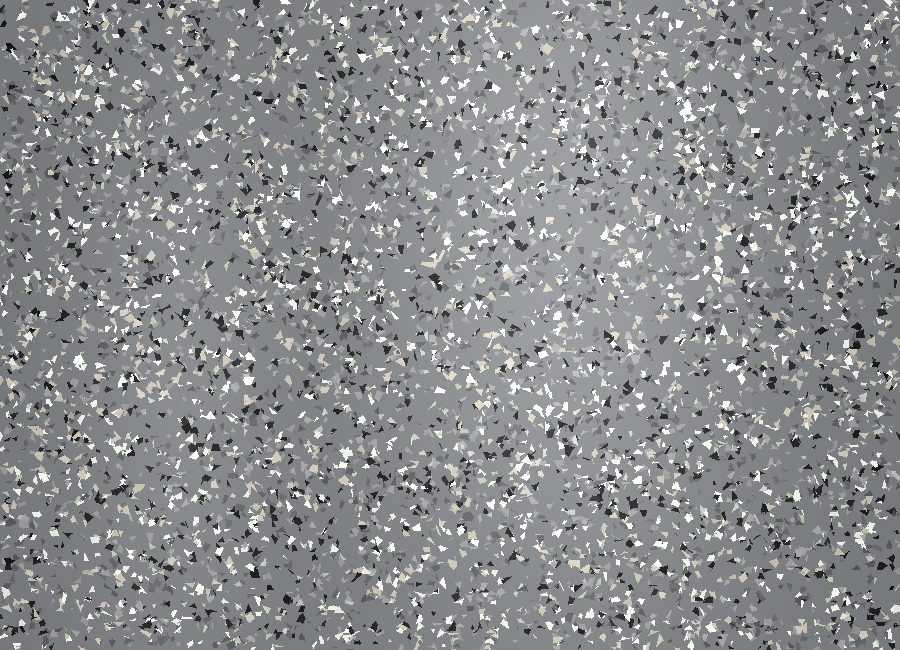
Coloured vinyl chips locked into an epoxy floor. For a garage it's the hardest-working finish, because it hides the everyday mess a plain floor shows.
How a flake floor is built
After the concrete is ground and repaired, a base coat goes down in a colour close to the flake blend. While it's still wet, the flakes are thrown over it by hand. Once that has cured, the loose flakes are scraped off and vacuumed up, and one or two clear topcoats seal the rest in. What you end up with is a hard, slightly textured surface with no grout lines or joints to trap dirt.
Full or partial flake
- Full flake: the chips cover the base completely. It gives the most texture and hides the most, and it's the usual choice for a working garage.
- Partial flake: chips are scattered so the base colour shows between them. It's smoother underfoot and uses less material, which suits laundries, flatlets and showrooms.
Colour blends
Grey and charcoal mixes are popular in Bloemfontein garages because they swallow tyre marks and the fine dust that blows in under the door. Sand and beige blends sit well with lighter homes and covered patios. Very dark floors with few flakes show every speck, so they're best kept for rooms that stay clean.
Where flake floors work well
- Garages and carports
- Laundries and sculleries
- Covered stoeps and patios, with a UV-stable topcoat
- Home gyms, hobby rooms and workshops
- Change rooms and ablutions at businesses
The topcoat matters
A clear epoxy topcoat is hard and glossy, but it can yellow where the sun reaches it. Near a garage door or on a stoep, ask for a UV-stable polyurethane or polyaspartic topcoat. Polyaspartic also cures quickly, which can shorten the job. Fine grit in the topcoat adds grip on ramps and wet areas.
Comparing finishes? See flake, metallic and solid colour side by side, or read about epoxy garage floors.